
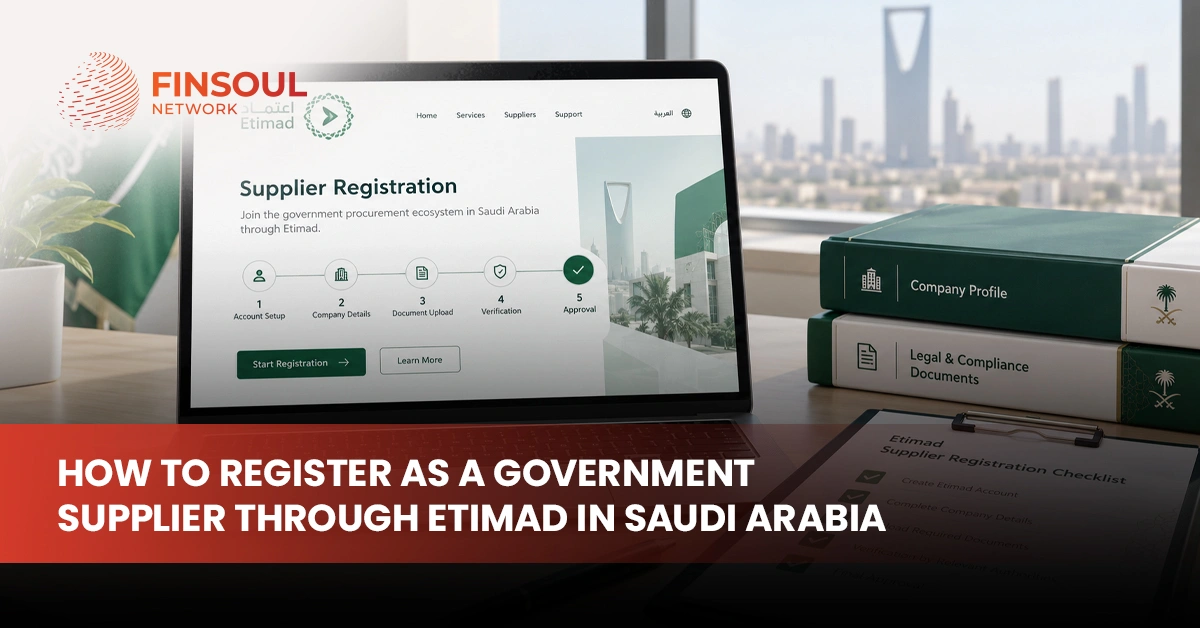
Winning a Saudi government contract starts long before a business submits its first bid. Suppliers need to understand the procurement process, identify relevant tenders, and meet the registration requirements that open the door to public-sector opportunities. Etimad Supplier Registration is a key step for businesses seeking to supply products or services to Saudi Arabia’s ministries, public authorities, and other government entities.
Through the Etimad platform, suppliers can review tender announcements, assess procurement requirements, and submit bids for suitable contracts. The platform also supports contract-related procedures and financial claims, making it an important part of the government procurement process.
However, creating an account is only one part of the process. Suppliers must understand their eligibility, prepare the correct business information, review tender conditions, and follow each opportunity’s submission rules. Registration does not automatically qualify a supplier for every government contract.
What Is the Etimad Platform?
Etimad is Saudi Arabia’s electronic platform for government financial and procurement services, operating under the Ministry of Finance framework. It supports the digital management of government tenders and procurement activities, helping government entities publish opportunities and suppliers participate in the purchasing process. <Cite refs={[“turn514566search0″,”turn514566search4”]}/>
The platform allows suppliers to find procurement opportunities without relying solely on individual announcements from government departments. Tender notices provide information about the purchasing entity, the required work or goods, the submission period, and the conditions for participation.
What Can Suppliers Do Through Etimad?
Registered suppliers can access relevant procurement functions, including:
- Reviewing government tender announcements.
- Searching for opportunities by government entity and other available criteria.
- Examining tender specifications and participation requirements.
- Submitting technical and financial proposals electronically.
- Tracking submitted bids and checking available status updates.
- Participating in applicable prequalification processes.
- Accessing relevant contract and payment-related services.
Who Can Register as a Government Supplier Through Etimad?
The appropriate registration route depends on the supplier’s legal status and the requirements of the services it intends to use. Saudi businesses and foreign suppliers should review the available account options before starting registration.
Saudi-Registered Companies
Businesses established in Saudi Arabia generally need their commercial registration details and relevant business information to complete the applicable registration process. Their activities and licenses must also match the products or services they intend to supply.
Additional conditions apply to certain industries and contracts. For example, a construction tender may require a specific contractor classification, while a specialist technology contract may require evidence of technical qualifications or relevant experience.
Foreign Suppliers
Foreign businesses can access Etimad through the registration and login route available for foreign suppliers. The platform’s published login information specifically identifies an account option for foreign suppliers without a Saudi commercial registration. It also confirms that users can access the platform from outside the Kingdom.
This does not mean that every foreign business qualifies for every government tender. Individual opportunities can impose conditions relating to local licensing, representation, technical qualifications, or other requirements. Foreign suppliers need to review these conditions before investing time in a bid.
Foreign companies also do not generally need to establish a regional headquarters in Saudi Arabia simply to use Etimad. However, specific platform services and procurement opportunities can have separate requirements.
Small and Medium-Sized Businesses
Small and medium-sized businesses can explore procurement opportunities that match their capabilities. Their suitability depends on the tender’s scope, eligibility criteria, and financial or technical requirements.
A smaller supplier might focus on specialized equipment, maintenance, professional services, or a defined part of a larger project. Reviewing contract size, delivery expectations, and qualification conditions helps businesses select opportunities they can realistically fulfill.
Documents and Information Needed for Etimad Supplier Registration
The required information varies by the supplier’s legal status and account route. Suppliers should follow the platform’s current instructions rather than assume every business needs the same documents.
Commonly relevant information includes:
- Business registration details: Commercial registration or equivalent business identification documents, where applicable.
- Company information: Legal business name, country of registration, website, and business activity.
- Representative details: Name, position, email address, and contact number of the person managing the account.
- Authorization information: Details or supporting evidence establishing the representative’s authority, where requested.
- Licenses and certificates: Documents relevant to the company’s activities and the specific procurement opportunity.
- Financial information: Financial statements or evidence of financial capacity when required by a tender.
- Technical information: Company experience, staff qualifications, and other evidence relevant to the proposed work.
How to Register on Etimad as a Government Supplier
The registration process begins through the official Etimad platform. The exact screens and verification requirements depend on the supplier’s account type, so follow the current instructions displayed on the platform.
Step 1: Open the Official Platform
Visit the Etimad website and select the appropriate business or supplier account route. Review the available options before entering company information.
Suppliers outside Saudi Arabia must use the foreign supplier route and follow its instructions. Avoid using another company’s account or selecting a registration category that does not match your legal status.
Step 2: Choose the Correct Account Type
Determine whether your business qualifies for the registration route intended for Saudi-registered companies or foreign suppliers. This distinction affects the information requested and how you establish account access.
Foreign businesses without a Saudi commercial registration should pay close attention to the account option for their circumstances.
Step 3: Enter the Required Business Information
Complete the requested fields accurately, including the company’s identifying information and the contact details of the responsible representative.
Use the information shown on official business records. Before submitting the form, check for spelling differences, incorrect registration numbers, and outdated contact details.
Step 4: Complete Identity or Account Verification
Follow the verification instructions relevant to your account. Etimad’s published login guidance refers to Nafath-based access for users inside Saudi Arabia and a username-and-password route for users outside the Kingdom. Foreign suppliers should follow the instructions associated with their specific registration route. If the platform requests additional information, provide it through the appropriate official process.
Step 5: Review the Supplier Profile
After gaining access, check the business information associated with the account and complete any outstanding fields required for the relevant services.
Make sure the company’s activity details accurately reflect its business. Keep contact information current so that the responsible person can receive procurement communications and respond within the required timeframes.
Step 6: Check Access to Tendering Functions
Once the account is ready, review the tendering services available to the supplier. Check how to search for opportunities, view tender documents, and submit proposals.
Registration does not automatically remove the need for prequalification or other tender-specific approvals. Read the conditions of each opportunity before deciding whether to participate.
How to Find Government Tenders on Etimad
After registration, suppliers need to identify tenders that match their products, services, and delivery capabilities. Etimad provides tender-search functions that let users review opportunities and filter results using available criteria.
Search by Government Entity
Suppliers can look for opportunities published by relevant ministries, authorities, and other government organizations. This approach helps narrow the search to entities that purchase the company’s products or services. For example, an IT company could focus on contracts for software implementation, technical support, or cybersecurity. A maintenance business could search for opportunities in facilities management, repair, or operational support.
Review Open and Future Tenders
Check the tender status before planning a bid. Open tenders are relevant to immediate participation, while future tender information helps businesses prepare for upcoming opportunities.
For example, the Saudi Zakat, Tax, and Customs Authority publishes guidance explaining how users can search Etimad for current, future, and closed tenders by selecting the relevant government entity and tender status.
Examine the Full Tender Notice.
A tender title provides only a brief indication of the work required. Read the full announcement and supporting documents to understand the scope, specifications, eligibility conditions, and submission requirements. Check the closing date, required attachments, delivery location, and evaluation criteria. Where tender documents are available for purchase, confirm the applicable process and any associated fee.
How to Submit a Government Tender Through Etimad
The submission process depends on the instructions published for the individual competition. Etimad provides an electronic service through which registered suppliers submit technical and financial bids within the specified period and track their submitted proposals. <Cite refs={[“turn514566search0”]}/>
Prepare the Technical Proposal
The technical proposal explains how the supplier intends to meet the requirements of the tender. Depending on the contract, it could include a delivery plan, technical specifications, project methodology, staffing arrangements, relevant experience, and quality procedures.
Use the tender’s evaluation criteria to organize the response. Provide evidence for relevant qualifications and experience instead of relying on broad statements about the company.
Prepare the Financial Proposal
The financial proposal sets out the price and other financial details the purchasing entity requests. Calculate the full cost of supplying the goods or completing the work, including labor, materials, transport, subcontracting, and other relevant expenses.
Follow the required pricing format and payment conditions. If the tender separates technical and financial submissions, maintain that separation throughout the preparation and upload process.
Upload the Required Documents
Submit the requested proposals and supporting documents through the designated electronic process. Check that each file is complete, readable, and uploaded to the correct section.
Allow sufficient time for the final review before the deadline. Keep the submission confirmation and tender reference information for the company’s records.
Monitor the Tender After Submission
Check the tender status and monitor communications from the purchasing entity. If the entity requests clarification or additional information, follow the instructions and respond within the specified period. A submitted proposal does not guarantee a contract. The purchasing entity assesses bids against the tender conditions and applicable procurement procedures.
What Happens After Winning a Government Tender?
Winning a tender moves the supplier into the contract award and delivery stage. Next steps depend on the procurement process and may include finalizing contract documents, confirming delivery schedules, meeting performance conditions, and completing required approvals.
Etimad supports relevant electronic contract and financial processes, but the supplier must still follow the purchasing entity’s instructions and contractual obligations.
Maintain copies of the signed agreement, approved pricing, delivery records, invoices, and correspondence. These records help establish what the supplier agreed to deliver and provide evidence when questions arise about performance or payment.
Suppliers also need to monitor contract milestones. Delays in delivery, incomplete documentation, or failure to meet technical specifications can affect the contractual relationship even after a successful tender award.
Common Mistakes to Avoid During Etimad Registration and Tendering
Choosing the Wrong Registration Route
Saudi businesses and foreign suppliers can have different account requirements. Choosing an unsuitable route can cause verification issues or limit access to key functions. Check the official instructions before registering.
Treating Registration as Automatic Tender Approval
An active supplier account does not establish eligibility for every procurement opportunity. Tender-specific licenses, classifications, financial capacity and technical qualifications remain important.
Ignoring Tender Conditions
Suppliers sometimes focus on price without reviewing the full scope of work and qualification criteria. This increases the risk of submitting an incomplete proposal or bidding on a contract the business cannot deliver.
Submitting Incomplete Documents
Missing certificates, inconsistent company details, and unreadable attachments can affect the submission. Use the tender’s document requirements as a checklist and verify every attachment before uploading.
Missing Deadlines
Tender deadlines apply to the submission process, and late bids can be rejected. Assign responsibility for monitoring announcements, clarification periods, and closing dates.
Underestimating Contract Costs
A competitive price must cover the full cost of delivery. Suppliers that overlook transport, staffing, materials, or other contractual expenses risk accepting work that is difficult to complete profitably.
Etimad Supplier Registration KSA with Finsoul Network
Etimad Supplier Registration KSA is the starting point for businesses seeking access to government procurement in Saudi Arabia. Understanding the correct registration route, preparing accurate company information and learning how tender searches and electronic submissions work helps suppliers avoid common mistakes.
Finsoul Network KSA supports businesses navigating Saudi Arabia’s business and compliance requirements. With a clear understanding of Etimad registration, tender specifications, eligibility conditions, and submission deadlines, suppliers can approach government procurement opportunities with better preparation.
Frequently Asked Questions
Is Etimad Supplier Registration mandatory for government tenders in Saudi Arabia?
Suppliers generally need to access the relevant Etimad procurement services and meet the registration requirements to participate in electronic government tendering. The exact requirements depend on the account route and the procurement opportunity.
Can a foreign company register on Etimad without a Saudi commercial registration?
Etimad’s published login page includes an account option for foreign suppliers without a Saudi commercial registration. However, individual tenders can impose additional eligibility and licensing requirements.
What documents are required to register as a supplier?
Requirements depend on the supplier’s legal status and how they register. Common requirements include business identification, company details, and representative information. Individual tenders can require further licenses, financial statements, and technical evidence.
How do suppliers search for government tenders in Saudi Arabia?
Suppliers use Etimad’s tender-search functions to find opportunities by available criteria, including the government entity and tender status. They then review the full tender documents to assess eligibility and submission requirements.
Does registering on Etimad guarantee a government contract?
No. Registration gives suppliers access to relevant procurement functions, but contract awards depend on eligibility, compliance with tender conditions, proposal quality, and the purchasing entity’s evaluation.
Can suppliers track their submitted bids?
Etimad’s electronic tender submission service allows registered suppliers to track the status of submitted bids. Available information depends on the tender and its stage in the procurement process.